Kentucky Embroidery Design Review
First Impression: Cheerful, Clean, and Instantly Recognizable
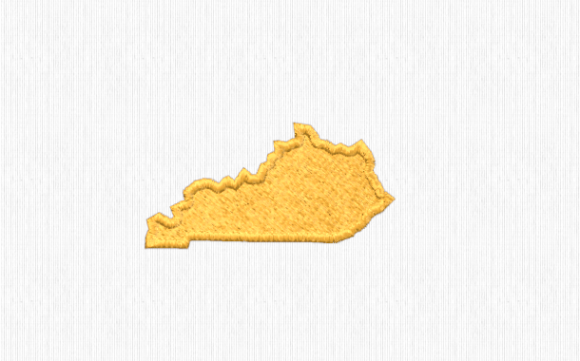
Opening the Kentucky embroidery file, I immediately felt its energy—bright, uncluttered, and rooted in place. It’s not a detailed geographic map or a stylized illustration with landmarks; it’s the state outline, simplified and confident, with smooth curves and balanced proportions. The shape carries warmth without leaning into kitsch, which matters when you’re stitching for real people—not just tourists, but teachers, nurses, farmers, and families who call Kentucky home. That “cheery decoration” line in the description isn’t marketing fluff—it’s accurate. This design smiles without shouting.
Real-Life Test: A Custom Embroidered Kitchen Towel for a Louisville Boutique
Last week, I stitched Kentucky onto a 100% cotton tea towel for a small Louisville shop launching a local pride collection. We used medium-weight tear-away stabilizer, 40-weight polyester thread, and a 5″ x 7″ hoop. The result? Crisp edges, no puckering, and a clean silhouette that read instantly—even from across the room. Customers didn’t need to squint or tilt their heads. They saw Kentucky, smiled, and reached for their wallets. That kind of instant recognition is gold for handmade product sellers, especially on Etsy or at craft fairs where attention spans are short and emotional connection drives sales.
Where Kentucky Shines—and Where It Needs Careful Handling
Kentucky works beautifully on stable, medium-weight fabrics: terry cloth towels, cotton poplin aprons, fleece blankets, and midweight sweatshirts. Its open shape avoids dense fill-stitch congestion, so stitch density stays manageable—no overheating your machine or risking skipped stitches on long runs. As a machine embroidery design, it’s forgiving for beginners and reliable for high-volume custom apparel work.
But here’s where judgment matters:
- Small hoop sizes (under 4″): The outline loses definition if scaled down too far. Avoid using Kentucky as a tiny chest logo on baby onesies unless you’ve tested it first on scrap fabric.
- Textured or stretchy fabrics: On ribbed knit caps or jersey tees, use cut-away stabilizer underneath and a light topping to keep satin-stitched edges sharp. Don’t assume the design will self-correct.
- Dark or black fabric: The cheerful mood holds—but only if thread contrast is intentional. Test Kentucky in both navy and charcoal mockups. Sometimes a warm cream or golden tan thread reads better than white.
- Curved surfaces (like structured caps): The top curve of Kentucky’s northern border can distort if hooped poorly. Repositioning the design slightly lower on the cap front often improves drape and clarity.
Design Personality Meets Practical Use Cases
Kentucky isn’t just “a state shape.” Its visual personality fits specific niches naturally:
- Tote bag design: Centered on canvas or denim, it feels grounded and proud—not flashy, but quietly meaningful.
- Sweatshirt embroidery: Paired with a simple “Est. 1982” or “Bluegrass Born” script below, it becomes heirloom-worthy.
- Baby embroidery: On a gauzy swaddle or organic cotton bib, it softens beautifully—especially in pastel threads. Just avoid tiny interior details that won’t resolve at small scale.
- Holiday embroidery: Think bourbon-themed Christmas stockings or Derby Day napkins. Kentucky adds regional charm without seasonal cliché.
- Embroidered patch: Stitch it on twill, then heat-seal or sew onto jackets—its clean lines hold up well in patch format.
What Kentucky Adds to Your Finished Product—Beyond the Outline
This isn’t just decoration. When stitched thoughtfully, Kentucky elevates perceived value. Customers see craftsmanship—not clip art. That builds trust, especially for Etsy sellers positioning handmade products as thoughtful, personal, and locally resonant. For small shop owners, it strengthens brand consistency across merchandise: same shape, same confidence, whether on a pillow cover or a boutique shopping bag. And for gift buyers? It signals intention. A Kentucky-embroidered blanket isn’t generic—it’s a personalized gift, rooted in identity and care.
Designer Notes You Can’t Skip
Before stitching Kentucky into client work, a boutique line, or your next Etsy listing, do these six things:
- Test the embroidery file on scrap fabric matching your final substrate—same weight, same weave, same stretch.
- Check thread color contrast on both light and dark backgrounds. Print a black-and-white mockup to assess value separation.
- Review stitch density visually—not just in software. Dense areas should breathe; thin lines shouldn’t vanish.
- Confirm hoop size compatibility with your machine and project surface. If you’re embroidering on curved items like caps, rehoop and retest.
- Inspect corners and curves at actual stitch-out size. Does the southern tip hold its point? Does the Ohio River bend stay smooth?
- Verify licensing terms before selling finished products or reselling the digital embroidery file. “Personal use only” limits small business applications—don’t assume.
Final Thought: Kentucky Is a Quiet Workhorse
It won’t wow with glitter or dimension—but it delivers something rarer in embroidery design: quiet reliability. It stitches cleanly, reads clearly, and connects meaningfully. Whether you’re a craft business owner building regional collections, an apparel decorator adding hometown flair to custom sweatshirts, or a hobbyist stitching a baby’s first blanket, Kentucky earns its place. It’s not the flashiest embroidery file in your library—but it might be the one you reach for most.