Leaf Border: Fresh, Modern, and Booth-Ready
First Impression: A Breath of Modern Botanical Energy
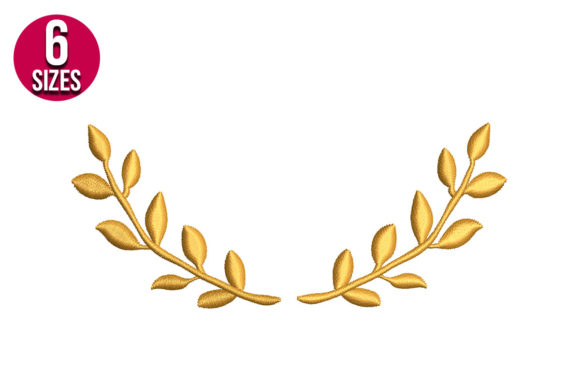
Leaf Border lands with quiet confidence—not loud, not fussy, but unmistakably *current*. It reads as modern botanical: clean lines, organic flow, and just enough detail to feel intentional without tipping into fussy. It’s not farmhouse (no distressed edges or vintage script), not festive (no berries or seasonal motifs), and definitely not minimalist to the point of emptiness. It’s fresh—like mint on a spring tablecloth or sage green stitching on an unbleached linen tote. That “fresh touch” in the description isn’t marketing fluff; it’s the design’s core personality. For craft fair buyers scanning booths at 10 a.m. on a crowded Saturday, Leaf Border stands out because it feels *designed*, not downloaded.
Where Leaf Border Shines on Craft Fair Products
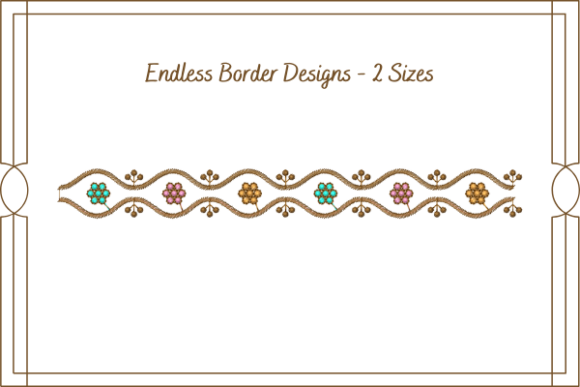
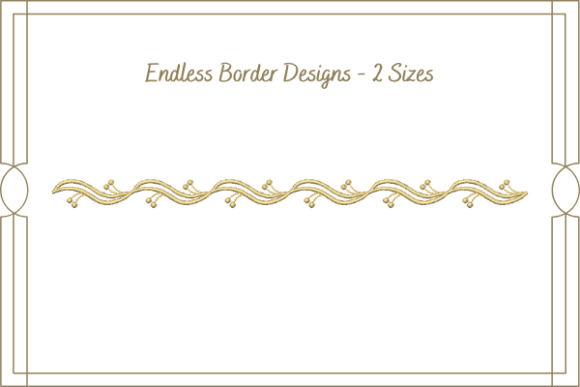
Leaf Border isn’t a standalone hero—it’s a sophisticated supporting player that elevates everything it touches. On a tote bag design, it sings along the bottom hem or wraps cleanly around the top edge, giving structure without heaviness. As apron embroidery, it frames the pocket beautifully, adding polish to a functional piece. For tea towel embroidery, it anchors one corner with botanical grace—especially effective on textured, absorbent cottons where the leaf veins catch light subtly.
As an embroidered patch, Leaf Border holds up remarkably well at 2.5–3 inches wide—its open negative space prevents crowding, and its balanced weight keeps it from looking lopsided when sewn onto denim jackets or canvas market bags. On small fabric pouches and pillow covers, it works best as a single continuous band along the seam or zipper flap—not scaled down to postage-stamp size. And yes, it translates well to caps, provided you use a low-profile hoop and stabilize carefully—its gentle curve adapts naturally to the crown’s contour.
Selling Smarter: Real-World Production & Display Strength
Leaf Border is inherently booth-smart. Its clean silhouette reads instantly from three feet away—no squinting, no decoding. That’s critical when your craft fair table is competing with glitter, ceramics, and hand-poured candles. It also photographs exceptionally well for Etsy seller listings: crisp contrast, natural flow, and zero visual noise mean your printable mockup will convert browsers into buyers. Because it’s a border—not a dense central motif—it scales efficiently across product types, making batch production realistic without sacrificing perceived handmade quality.
Customers consistently associate clean botanical borders like Leaf Border with elevated craftsmanship. It signals attention to detail and intentionality—key drivers for buyers choosing a small shop product over mass-produced alternatives. In your booth display, pair it with neutral linens, matte ceramic mugs, and dried eucalyptus: Leaf Border becomes part of a cohesive, tactile story—not just decoration, but brand language.
Careful-Use Notes: Protecting Clarity & Craft Integrity
- Dense stitch areas: While not overly dense, the leaf veins and subtle midribs do carry slightly higher stitch density. Avoid pushing it too small (<2 inches wide) on textured towels or terry cloth—those fine lines can blur.
- Curved surfaces: On caps or curved pouch seams, verify hoop compatibility and use cutaway + tear-away stabilizer combo. Skip lightweight iron-ons—they won’t hold the subtle tension needed for clean leaf definition.
- Dark fabric: Thread colors matter more here. Stick with tonal greens (olive, forest, sage) or crisp ecru/cream—not stark white—on charcoal or navy. Test contrast on scrap first.
- Fabric texture: Highly napped fabrics (like fleece or thick bouclé) swallow delicate contours. Reserve Leaf Border for smooth-to-medium weaves: quilting cotton, linen-cotton blends, twill, and medium-weight canvas.
What Every Embroidery Designer Checks Before Booth Day
This isn’t just about loading a digital embroidery file and hitting “start.” As someone who’s stitched through three craft fair seasons—and scrapped two designs mid-booth—I treat Leaf Border like a collaborator, not a commodity. Here’s my non-negotiable pre-production checklist:
- Test on scrap fabric matching your final product (e.g., actual tea towel cotton, not muslin).
- Check thread contrast under both daylight and booth lighting—LEDs can mute greens.
- Review spacing and repeat logic: Does the pattern align cleanly if stitched twice across a wide tote? Does the start/stop point vanish into the design?
- Confirm hoop size—some versions of Leaf Border may require a 5x7 or larger hoop for full integrity. Don’t assume.
- Inspect stitch density visually and by touch: does it lie flat? Does it pucker on your chosen stabilizer?
- Create at least one real mockup—not digital, not printed. Stitch it, press it, hang it on your booth wall, and walk past it three times. Does it hold up?
- Compare fabric colors side-by-side: how does Leaf Border read on oat, sage, charcoal, and ivory? One color may become your hero SKU.
- Confirm commercial licensing before selling any finished product. This machine embroidery design comes with multiple embroidery file formats—and that “can b” in the description hints at flexibility, but always verify scope.
Final Thought: Leaf Border Is Quiet Confidence, Stitched
In a sea of bold typography and maximalist florals, Leaf Border offers something rarer: restrained elegance that still commands attention. It doesn’t shout—it invites closer looking. It doesn’t dominate a product—it completes it. For the Etsy seller building a signature line, the handmade shop owner curating giftable goods, or the commercial embroidery pro scaling smartly for markets, Leaf Border isn’t just another border in your library. It’s a versatile, trustworthy design asset—one that performs beautifully in person, sells strongly online, and reinforces the quiet authority of thoughtful making. Bring it to your next craft fair, and watch how often hands pause, tilt, and smile—right before reaching for the tote bag.